
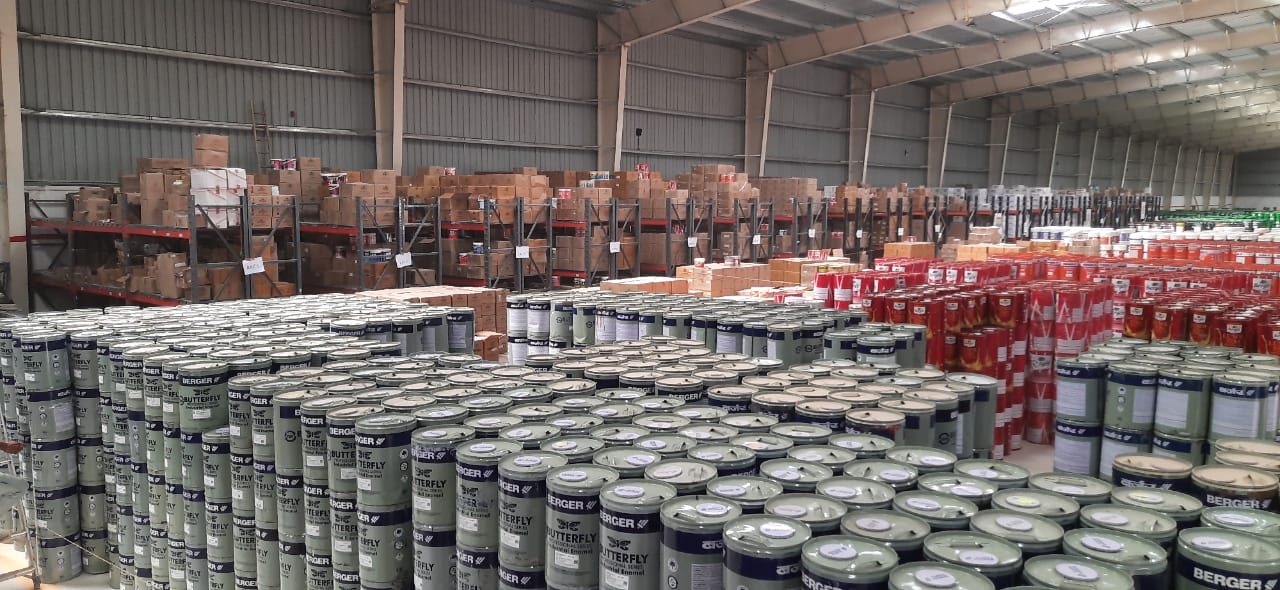
Warehousing used to run on registers and manual stock counts. Today, ERP platforms like SAP, MFG PRO, Oracle, Tally and Microsoft Navigation give both the C&FA and the principal company a shared, real-time view of inventory, dispatches and ageing stock.
The benefit isn't just accuracy — it's speed of decision-making. When a depot manager can flag slow-moving stock to the sales team the moment it starts ageing, brands can react before it becomes a write-off. When dispatches are logged against the principal company's own systems, month-end reconciliation becomes a formality rather than a scramble.
Real-time stock visibility reduces both overstocking and stock-outs. Automated MIS reporting cuts down manual reconciliation work significantly, and integration with the principal company's own IT policy keeps data ownership where it belongs.
As warehouses add semi-automation for stock movement, the combination of ERP software and physical automation is quickly becoming the baseline expectation for any serious logistics partner.